
专家
CGTN|Gao Yuning: to kick off an agreement is the starting of everything 浏览次数:41976

研究领域:


CGTN|Gao Yuning: to kick off an agreement is the starting of everything


CGTN|Gao Yuning: to kick off an agreement is the starting of everything


Q: From your perspective, how should we read the statements coming from both sides? For the US side, it’s so called “the first phase”, however from the Chinese side, there is a lack of a specific phase like this. So, what does that mean?


Gao Yuning: I think maybe both sides you support a sustention, but actually, from China side, only written word is guaranteed, so now there is only moderated talk about that. We’re still waiting for if for the next step we can guarantee some agreements between both sides, and that’s actually the thing I think everybody is expecting.


Q: And of course, it needs a lot of works, you know, written down words, that takes a lot of time and also real detailed negotiation. People are talking about in APEC whether two leaders would be able to sign something. Is it too early or too fast, Mr. Gao?


Gao Yuning: I don’t think it’s so called too early, but actually I think it’s expected, because at least, you know, to kick off an agreement is the starting of everything. So now let’s say we have a starting to agree from both sides, that means that’s a correct direction. Both sides working finally has an agreement when the two leaders meet. That means we are preparing for this kind of agreement, so there are a lot of detailed work needed to be done. Actually at least, we have a very good kick-off agreement.


Q: It seems interesting, Mr. Gao, that we are moving the target, because at the very beginning, as Ms. Asthton put, the nature of discussion, at least from the US business perspective, is not necessary about certain areas that become the focus of both the media and public now between the two countries and in terms of the economic ties What goanna happened when tensions being put on by both side to one another at different time and tariff against each other as a result of lack of progress of the negotiations. Are we further away where we started? Will things remain that way or even going further down the road that starts from the very beginning to the new phase?


Gao Yuning: From my perspective, that’s not a diversity by of new target, because we are at “Phase One”, so actually we should do the easiest negotiation first. When you compare the two list of China and US side, the goods from China is quite diversifiable so you can’t find something, just one thing that you can serve as the most important item for the “Phase One”, but from US side, agricultural is the ideal item for the “Phase One” that is clear, straight and very good for negotiation. I thinkthis is actually a good start and we actually kick off that negotiation from agricultural. I think that’s a good kick off.

CGTN|Gao Yuning: to kick off an agreement is the starting of everything

Q: Mr. Gao, Whether some of the fundamental issues regarded by Professor Trachtman are exactly the fundamental issues that are negotiated coming from the US side in the negotiation towards the Chinese team? Because obviously we see quite difference among very different factors inside United States is what is the priority, but eventually you have to negotiate with the negotiation team and you have to deal with the priority that they outline as the priority.Mr. Gao, Whether some of the fundamental issues regarded by Professor Trachtman are exactly the fundamental issues that are negotiated coming from the US side in the negotiation towards the Chinese team? Because obviously we see quite difference among very different factors inside United States is what is the priority, but eventually you have to negotiate with the negotiation team and you have to deal with the priority that they outline as the priority
Gao Yuning: I think actually the opening of China’s financial sector is at least as equal important as trade negotiation, or even more important.This is maybe the biggest opportunity for foreign investors, maybe during the past three decades, and now we are welcoming a new three decade. I think not only because the CSRC has these kinds of new rules, but also yesterday our Prime Minister Li Keqiang signed the new rules for the foreign invested insurance companies and commercial banks. Now if you go to check the China’s National Bureau of Statistics, the non-financial proportion of total assert is kind of equal to the financial companies, I think this is the opening up of another half of China, a new china. So, for all foreign investors, they are actually standing in front of the gate of the opening up of the new China just like three decades ago. So, I think this is a kind of biggest thing for all investors.


Q: Mr. Gao, unpredictability is the key word, I guess, for the negotiations throughout the past fifteen months. For different reasons, I guess, for different sides, for the US side, it’s about whether China has committed to what US believe that China would do, but for the Chinese side, it’s a very different story: whether what is already be committed are going to be done by the US side, whether they would still sign on things that they early have agreed clearly to sign on, whether their negotiator will change and whether the nature of the negotiation will change. So there a lot of variables in the negotiation and unpredictability is the nature of these negotiations, not to mention the nature of the US-China relation. So, in a picture, Mr. Gao, how do you see the US-China trade will bring in for the immediate future for example before the election season in the United States? More predictability or more unpredictability? Its impact on the rest of the relationship would be more positive or not necessarily?


Gao Yuning: I can touch this question from two points. The first is that, the cultures of negotiation from the both sides are quite different. Chinese would like to start with the easiest things first but the US don’t think so, But I think for the long run, even the trade itself is not a certain issue, we should remember that between US-China side,there is still a large amount of revenue from the US companies who sell their product inside China. That’s also, you know, an even bigger number than they directly export to China. So, I think actually for the future, even the trade itself is fluctuant, but there is something more important to guarantee the both sides relationship, hence some fundamental guarantee.

Q: As for the immediately effect on global supply chain because of US-China uncertainty relationship, Mr. Gao, what do you think about that global supply chain? I know you are being doing research about that for some quite time.
Gao Yuning: Yes, for the uncertainty about the trade negotiation, if that’s a medium term or long-term change. I think that’s a kind of ok for the multination companies, but now, we see that for example the policy to the entity list and something like that actually size the global supply chain certainly and that actually no multination company can carry that kind of sudden change. So, I think for the US and China which are the largest and second largest economy of the world,we actually have the responsibility to guarantee the global supply chain will not be suddenly stopped and to guarantee that multination companies can have a trusted environment.


CGTN|Gao Yuning: to kick off an agreement is the starting of everything


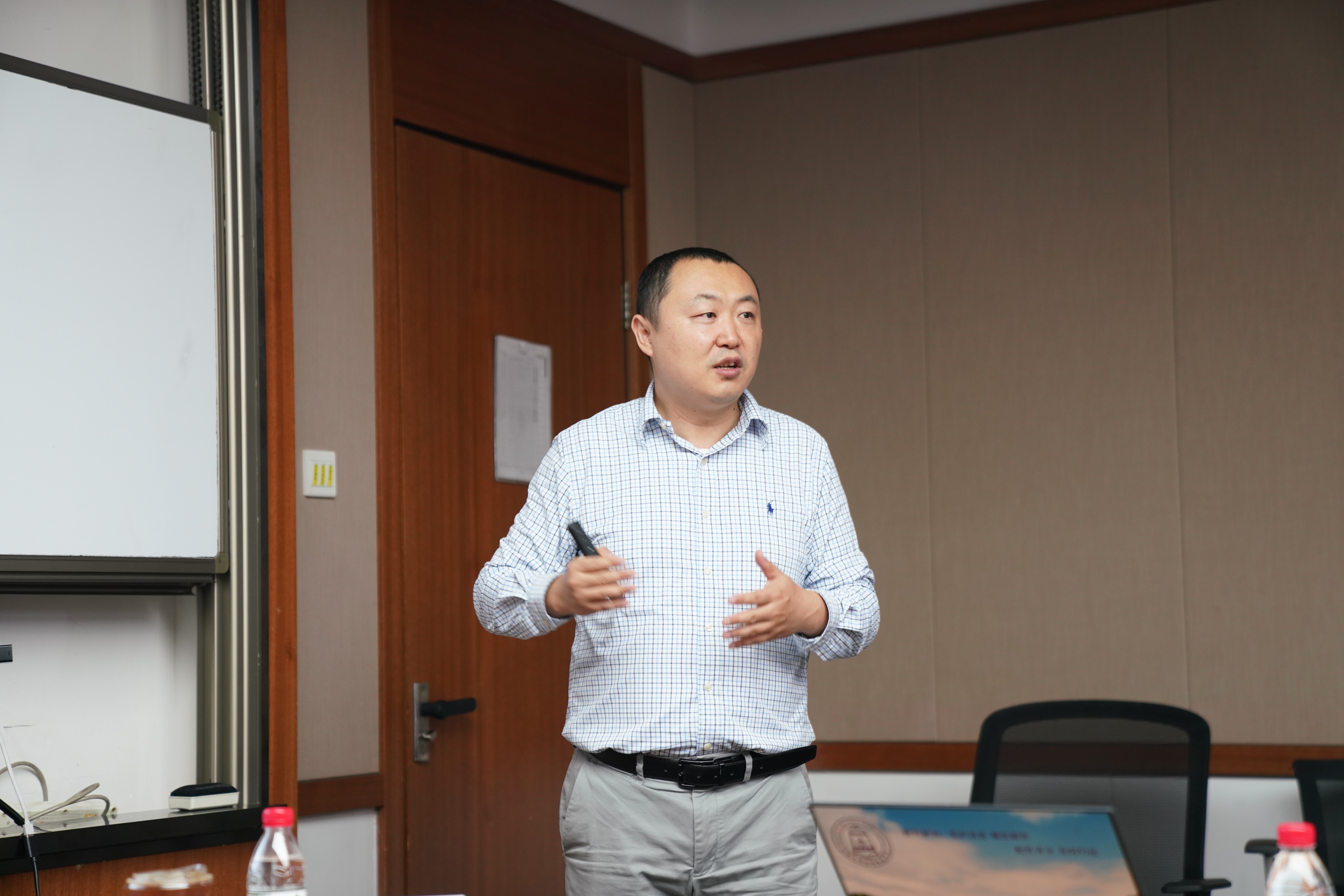
10月16日,清华大学公共管理学院华宇讲席副教授、国情研究院副研究员高宇宁做客CGTN世界观察(World Insight)栏目,就中美贸易谈判最新进展与栏目主持人田薇进行了探讨。参与访谈的嘉宾还有:来自华盛顿的美中商会商业咨询服务主管Anna Ashton女士,和来自梅德福的塔夫茨大学弗莱彻法学院Joel Trachtman教授。

最新动态

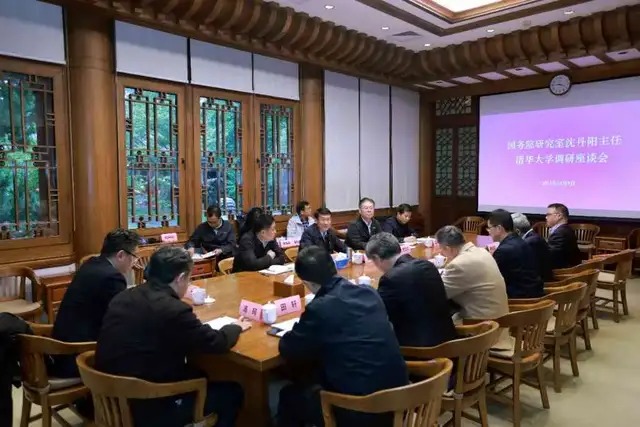
国务院研究室主任沈丹阳到清华大学调研并主持召开座谈会

2025-10-17
座谈会上,清华大学党委副书记过勇介绍了学校国家高端智库建设有关情况。清华大学国情研究院名誉院长胡鞍钢、经济管理学院院长白重恩、中国经济思想与实践研究院院长李稻葵、国家金融研究院院长田轩、中国发展规划研究院常务副院长董煜、至善书院院长汤珂先后围绕当前我国经济形势和“十五五”时期经济领域重大问题进行了交流。 ...

与世界对话|国情研究院先后与挪威、阿联酋、英国、丹麦代表展开交流活动

2025-11-26
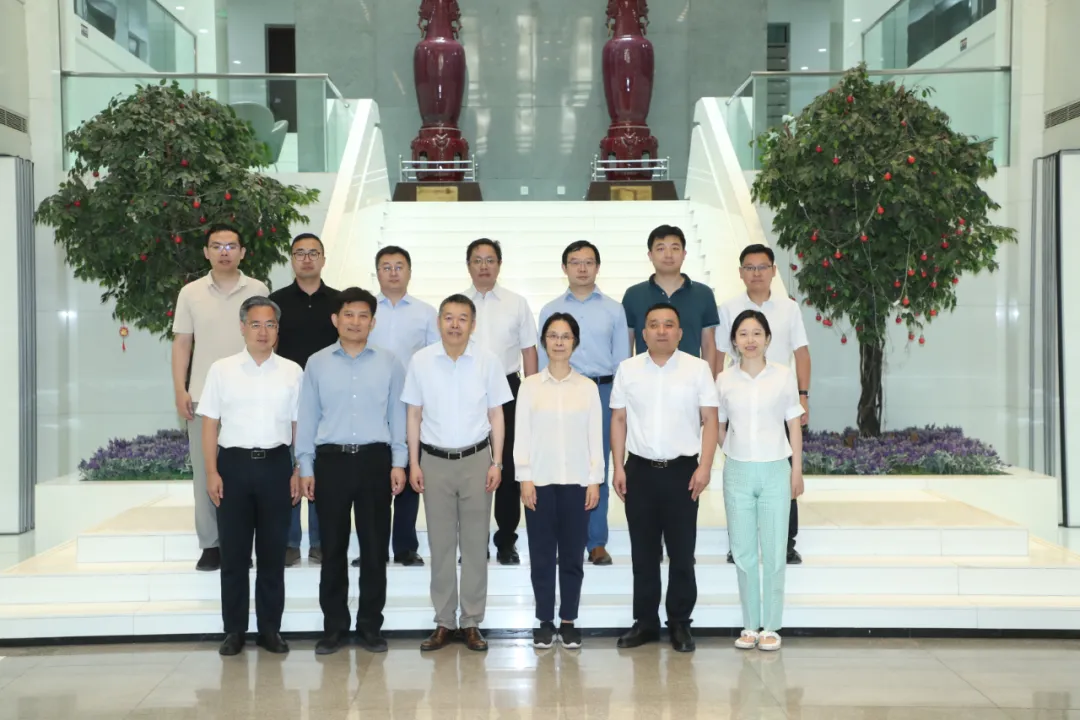
近日,清华大学国情研究院先后与挪威驻华大使一行、阿联酋代表团、英国驻华大使一行以及丹麦洛克威基金会代表团展开了系列交流活动。活动围绕中国“十五五”规划背景下的经济、科技与民生政策、2035年中国式现代化目标以及中国参与全球治理的理念与实践展开。活动有效增进了国际社会对中国“十五五”规划、中国式现代化及全球治理理念的理解,有利于促进中国话语和中国叙事体系的构建,打破西方国家在国际舆论中的垄断,提升中国在国际舆论中的话语权。 ...

胡鞍钢在清华大学本科生通识课上解读《2025年政府工作报告》

2025-03-11
2025年3月11日晚,清华大学文科资深教授、清华大学国情研究院院长胡鞍钢老师来到第六教学楼,为同学们讲授《中国国情与发展》课程。该课程作为清华大学本科生的通识课程,旨在帮助学生深入了解中国国情与发展最新动态。 ...

包特做客国情研究院学术沙龙,讲授利他性故意忽视与互惠的实验

2025-03-28
2025年3月28日,清华大学国情研究院举办学术沙龙活动,新加坡南洋理工大学经济系长聘副教授、研究生院助理院长包特博士作题为“国王的盛宴:一项关于利他性故意忽视与互惠的实验”的专题讲座。沙龙由清华大学公共管理学院副教授、清华大学国情研究院副研究员刘生龙主持。清华大学公共管理学院长聘副教授陈济冬,清华大学公共管理学院长聘副教授、清华大学国情研究院副研究员张鹏龙作点评。 ...

Giles Mohan教授做客国情研究院学术沙龙,深度解读西方“去风险化”叙事与战略焦虑

2025-06-10
2025年6月10日,清华大学公共管理学院国际发展与全球治理研究所、清华大学国情研究院联合举办学术沙龙活动,英国开放大学国际发展学/人文地理学教授、人文社科学系首席教授Giles Mohan(贾尔斯·莫汉)作“解读西方‘去风险化’叙事背后的战略焦虑——地缘政治博弈与欧洲逻辑”专题讲座。沙龙由清华大学公共管理学院副院长兼国际所所长、长聘副教授,清华大学国情研究院副研究员高宇宁主持,并邀请清华大学公共管理学院长聘副教授、清华大学国情研究院副研究员张鹏龙作为点评嘉宾。国际所副所长李应博教授和清华大学公...

宛圆渊博士做客国情研究院青年学者沙龙,评估法官宽严设计识别策略的严谨性

2025-06-17
2025年6月6日,公共政策讲堂第14期暨国情青年学者沙龙第16期在清华大学公共管理学院顺利举行。活动由清华大学公共管理学院政治与公共政策研究所、清华大学国情研究院联合举办。加拿大多伦多大学经济系副教授宛圆渊作题为“A Sharp Test for the Judge Leniency Design”的学术论文报告。讲座由清华大学公共管理学院副教授、清华大学公共管理学院政治与公共政策研究所所长戴亦欣主持,并邀请清华大学公共管理学院副教授、清华大学公共管理学院政治与公共政策研究所副所长、清华大学国...

第四届清华大学暨东京大学发展政策联席会议在东京举行

2024-12-20
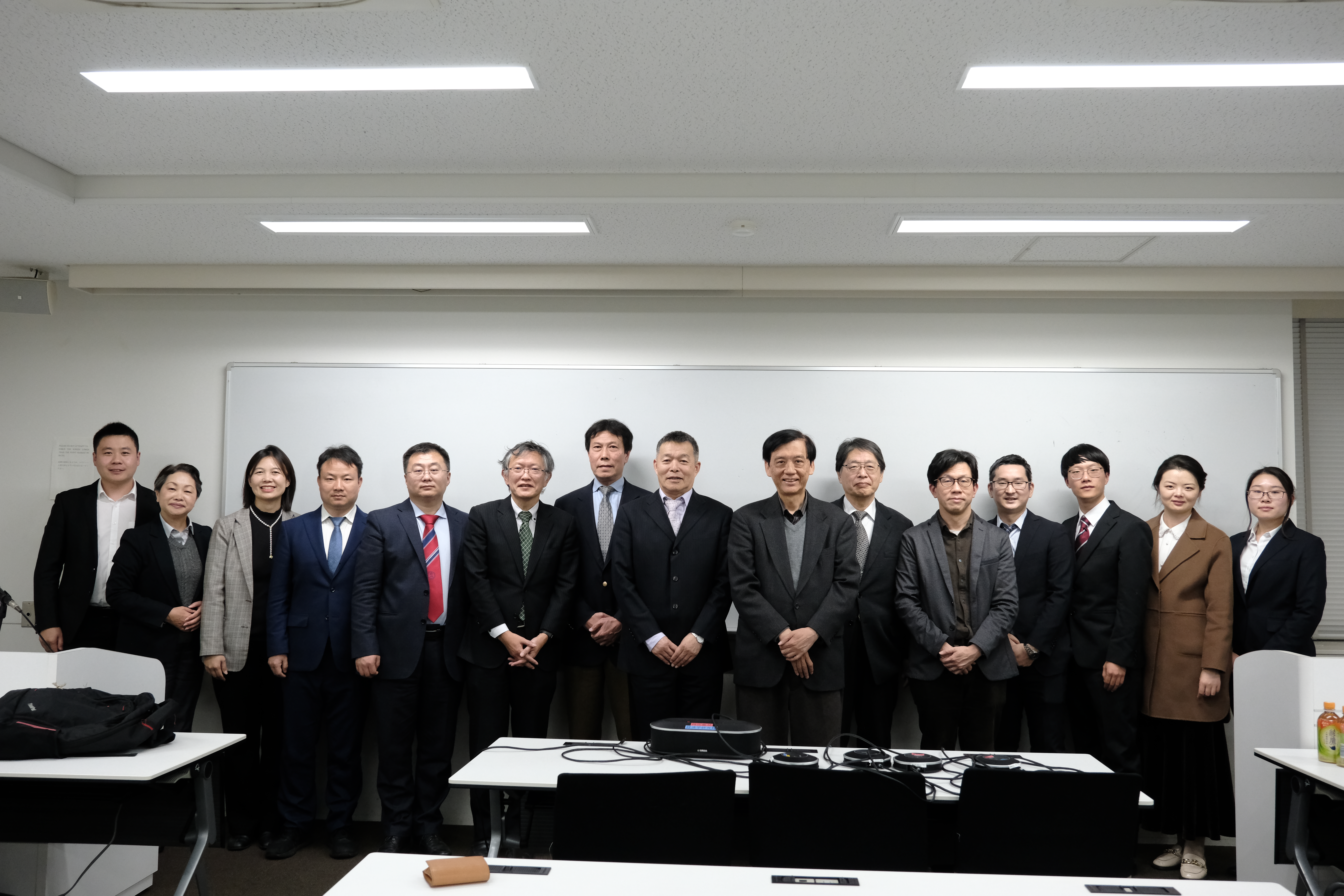
2024年12月7日至8日,由清华大学国情研究院、东京大学中国学基地联合主办的“第四届清华大学暨东京大学发展政策联席会议”在东京召开。本届会议的主题是“竞争与合作:全球不确定性下的中日经贸关系”。会议组织中国学者赴日本进行研讨交流和实地调研。 ...

“数字经济与新质生产力”主题国情圆桌会议举行

2024-06-19
6月18日,由清华大学国情研究院主办的以“数字经济与新质生产力”为主题的国情圆桌会议在清华大学公共管理学院举行。十余位来自高校和科研机构的专家学者,以及地方政府和企业界的代表出席会议。...